

Τι είναι το Messy Play, αυτό το ελεύθερο μη κατευθυντικό παιχνίδι για όλες τις αισθήσεις;
Το Messy Play είναι το αισθητηριακό παιχνίδι που λερώνει κατά τη διάρκεια του οποίου, παιδιά όλων των ικανοτήτων και ηλικιών, χρησιμοποιούν υλικά που απευθύνονται σε όλες τις αισθήσεις. Με τη φυσική περιέργεια και ορμή που τα διακρίνει, εξερευνούν ελεύθερα και πειραματίζονται σε ασφαλές περιβάλλον, με το δικό τους τρόπο και στο δικό τους χρόνο, καθοδηγούμενα από τον εαυτό τους και μόνο. Αυτό το είδος παιχνιδιού βέβαια δεν είναι κάτι νέο, δεν το ανακαλύψαμε εμείς οι ενήλικοι! Είναι ο φυσικός τρόπος παιχνιδιού των παιδιών, τα οποία πάντα ήθελαν και επιδίωκαν να παίζουν με όλες τους τις αισθήσεις, με τα χώματα, τις λάσπες, τον πηλό, και τόσα άλλα υλικά της φύσης που υπήρχαν απλόχερα γύρω τους.
Ακριβώς επειδή χρησιμοποιούνται όλες οι αισθήσεις, ο παιδικός εγκέφαλός δέχεται αισθητηριακά ερεθίσματα που είναι απαραίτητα για την ολοκληρωμένη του ανάπτυξη. Καθώς, π.χ. το παιδί βουτάει το χέρι του μέσα στη φρουτόκρεμά του, βάφει με χρώματα όλο του το σώμα ή τσαλαβουτάει σε όποια νερολακούβα βρει στον δρόμο του, οι αισθητηριακοί υποδοχείς του δέρματος, σε συνδυασμό με τις υπόλοιπες αισθήσεις, συνθέτουν μια πλήρη εικόνα. Αυτές οι εικόνες επιτρέπουν στον εγκέφαλο να δημιουργήσει σταδιακά μια πιο ολοκληρωμένη αίσθηση του εαυτού και του κόσμου γύρω του. Αυτό το παιχνίδι βέβαια, συχνά οδηγεί σε αυτό που εμείς βλέπουμε ως «χάος», αυτό το χάος όμως είναι αποτέλεσμα των αναζητήσεων των παιδιών. Και αν γνωρίζαμε τι ευκαιρίες τους στερούμε, θα καταλαβαίναμε πόσο άδικο είναι να μην το επιτρέπουμε, να μην το ενθαρρύνουμε, να μην το προκαλούμε…!
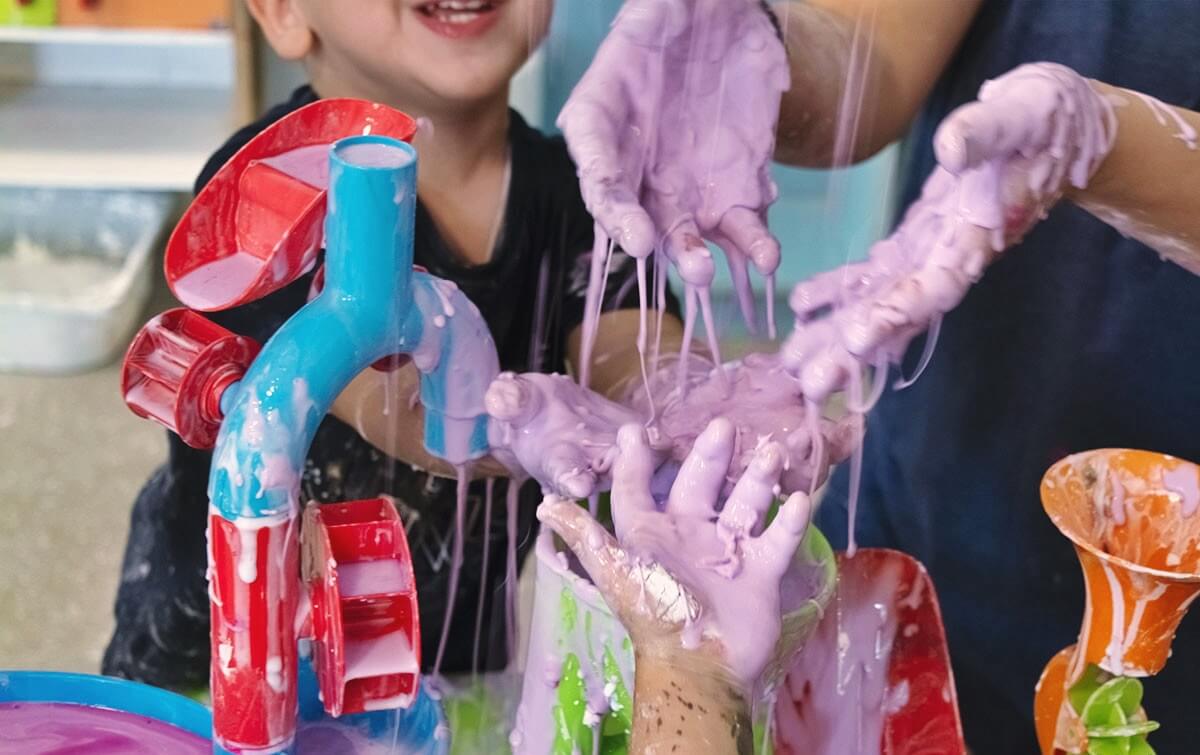
Τα Υλικά του Messy Play
Η λίστα των υλικών είναι πραγματικά ατελείωτη. Ας αναφέρουμε κάποια από τα υλικά που χρησιμοποιούνται πολύ συχνά:
Τα πιο υγρά… Αφρός, δακτυλομπογιές, κόλλα, σαπουνόφουσκες, βρεφικό λάδι, νερό, ζελέ, γιαούρτι.
Τα μαλακά… Πηλός, λάσπη, ζυμάρι, πλαστελίνες, αφρός, μπάλες, μπαλόνια, μαγειρεμένα ζυμαρικά.
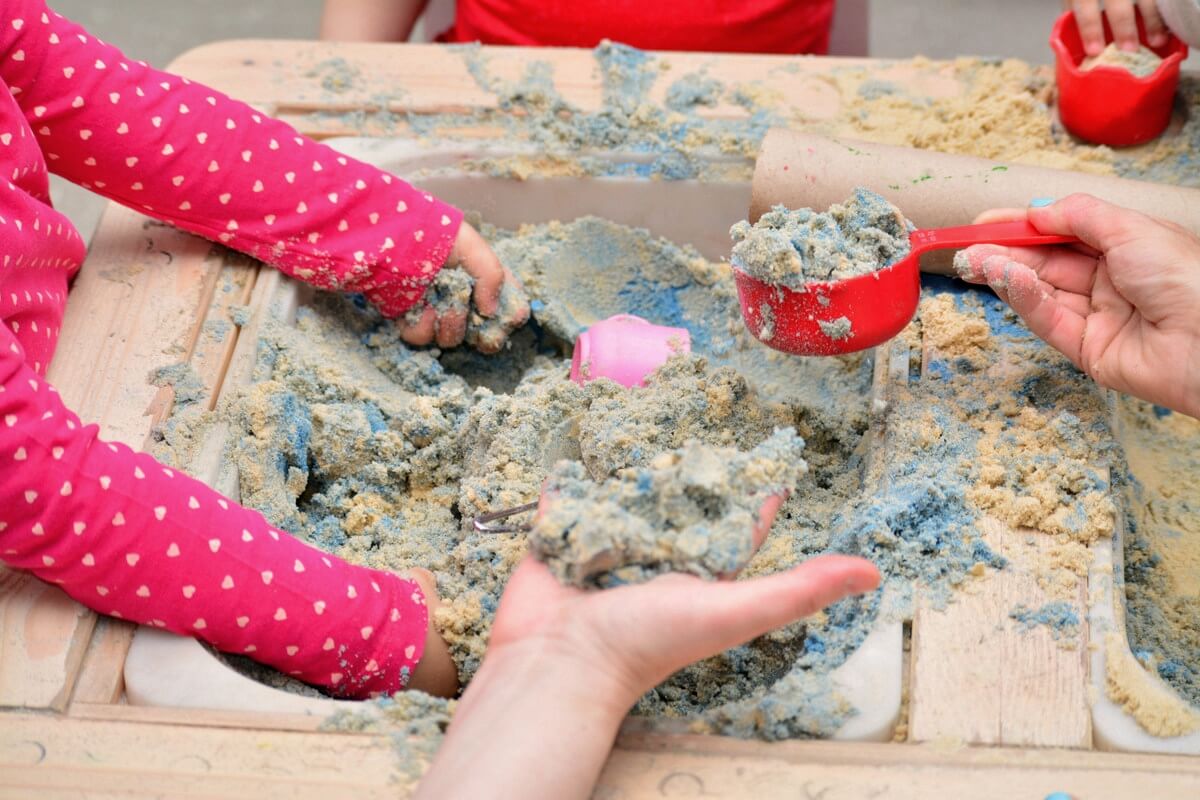
Και τα πιο στεγνά… Άμμος, κραγιόνια, χαρτιά, υφάσματα, πέτρες, κοχύλια, φύλλα, αλεύρι, δημητριακά, ζυμαρικά, όσπρια, ρύζι.
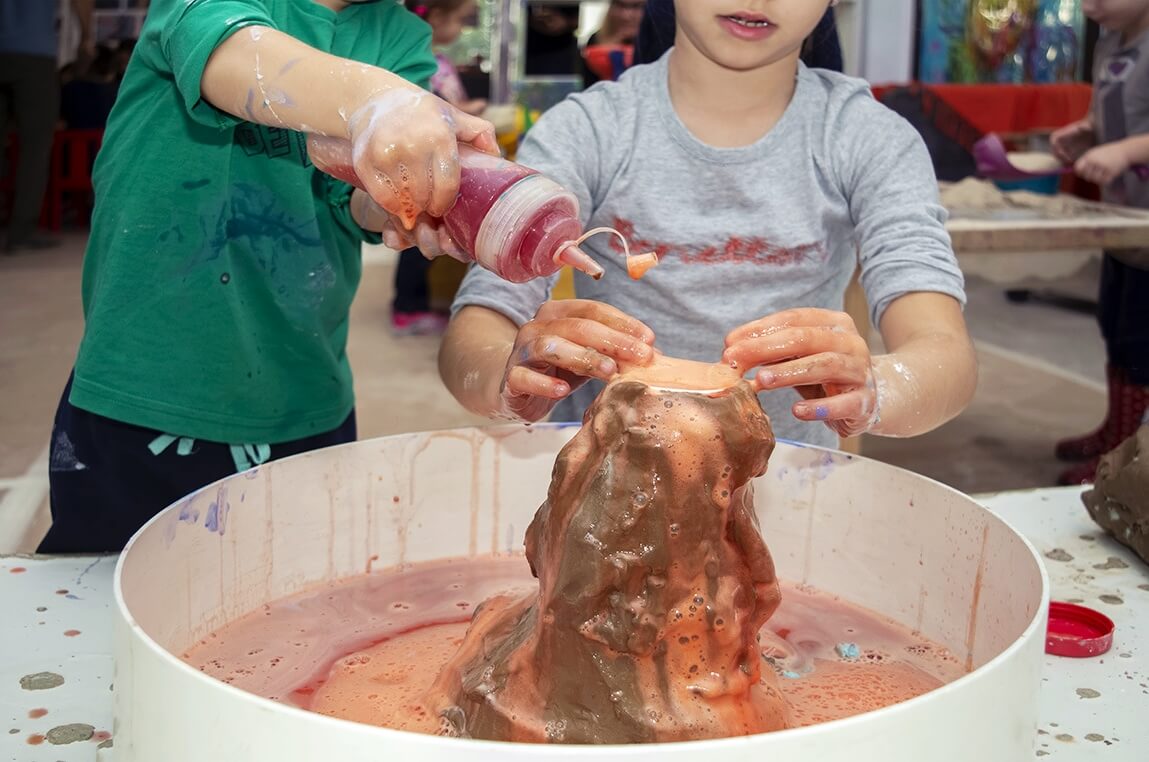
Γιατί το Messy Play είναι απαραίτητο στη ζωή των παιδιών;
Γιατί οι έρευνες δείχνουν πως:
- Τα μικρά παιδιά βασίζονται στα ερεθίσματα που μιλάνε στις αισθήσεις τους για να μάθουν για το περιβάλλον τους.
- Το αισθητηριακό παιχνίδι είναι αυτό που βοηθά στην οικοδόμηση των νευρικών συνδέσεων που υποστηρίζουν τη σκέψη, τη μάθηση και τη δημιουργικότητα.
- Η έκθεση των παιδιών, ειδικά των παιδιών της πόλης, σε αισθητηριακές εμπειρίες μειώνεται. Αυτό έχει ως αποτέλεσμα να παρατηρούνται πολλά αισθητηριακά προβλήματα. αυτά με τη σειρά τους μπορεί να οδηγήσουν σε δυσκολίες στην ανάπτυξη.
Τα μικρά παιδιά ενεργούν σαν επιστήμονες!
Ο εγκέφαλος των παιδιών μαθαίνει από τις εμπειρίες που του παρέχει το σώμα. Γι’ αυτό και τα παιδιά, και ειδικά τα μικρότερα, έχουν την ανάγκη να εξερευνούν το περιβάλλον με όλες τις αισθήσεις τους. Καθώς αναρωτιούνται και δοκιμάζουν, αρχίζουν να παρατηρούν, να αξιολογούν τις πληροφορίες, να προβλέπουν, με λίγα λόγια δηλαδή, κάνουν τα πρώτα βήματα προς την κατανόηση της επιστημονικής μεθόδου! Διότι, κατά τη διάρκεια του παιχνιδιού τα μικρά παιδιά ενεργούν πραγματικά σαν επιστήμονες. Θέτουν ερωτήσεις, συλλέγουν δεδομένα, δίνουν τις δικές τους απαντήσεις… Δε λερώνουν απλά και μόνο για να λερώσουν, δεν το κάνουν για να μας δυσκολέψουν.
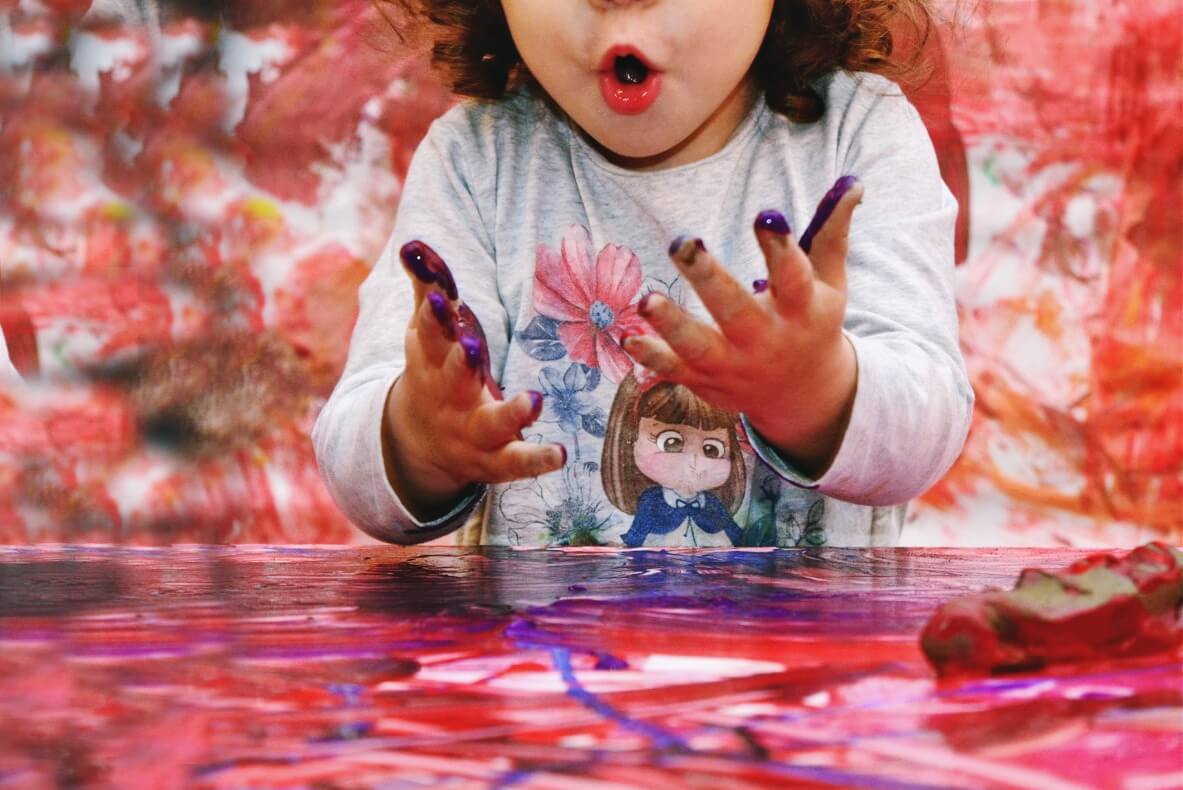
Πριν το παιδί αναποδογυρίσει το μπολ με το φαγητό του πάνω στο τραπεζάκι του για όγδοη φορά, πριν ρίξει όλες τις κατσαρόλες στο πάτωμα, είναι πολύ πιθανόν στο μυαλό του να έχουν προηγηθεί ερωτήσεις. Όπως, «Τι θα συμβεί αν το κάνω αυτό, θα συμβαίνει κάθε φορά το ίδιο; Αν τώρα το κάνω κάπως διαφορετικά;». Εκεί που εμείς μπορεί απλά να βλέπουμε κηλίδες μπογιάς σε έναν καμβά (ή σε ένα χαλί ή έναν τοίχο!) το παιδί διερευνά και μαθαίνει. Την ώρα π.χ. που ανακατεύει μπογιές πάνω στο τραπέζι, το παιδί διερωτάται σχετικά με την υφή, την κίνηση, τα μοτίβα, τα χρώματα, την ανάμειξή τους.
Αυτές οι εμπειρίες, που τόσο αυθόρμητα τα παιδιά προσφέρουν στον εαυτό τους, αυτές οι καταστάσεις που εμάς μπορεί να μας κουράζουν ή να μας δυσαρεστούν, είναι αυτές που κάνουν τα παιδιά να γεμίζουν με χαρά και αυτοπεποίθηση. Αυτές που τα βοηθούν να αναπτυχθούν σε όλους τους τομείς της ανάπτυξης, να καλλιεργήσουν έναν δημιουργικό τρόπο έκφρασης και κριτικό τρόπο σκέψης, ενώ είναι ακόμα μικρά και όλα γίνονται τόσο φυσικά και αβίαστα.
Πώς ανταποκρινόμαστε στο Messy Play των παιδιών;
Πρέπει να θυμόμαστε πάντα ότι τo Messy Play σχεδιάζεται έχοντας κατά νου τη φυσική περιέργεια των παιδιών. Δεν υπάρχει «σωστός» και «λάθος» τρόπος να παίξει κάποιος με τα μη δομημένα υλικά του. Δε χρειάζεται να υπάρχει κανένα άλλο τελικό αποτέλεσμα εκτός από το να διασκεδάζει το παιδί. Και πρέπει πάντα να νιώθει ελευθερία ώστε να εξερευνήσει ανενόχλητο και απορροφημένο. Αυτό σημαίνει ότι οι ενήλικοι πρέπει να καταφέρουμε να απενοχοποιήσουμε το «λέρωμα». Ότι πρέπει να εγκαταλείψουμε πιθανές προσδοκίες μας για «μάθηση» και συγκεκριμένα αποτελέσματα. Να εστιάσουμε στη χαρά που βιώνουν τα παιδιά όταν παίζουν και να τα αφήσουμε να μας παρασύρουν στους δικούς τους δρόμους παιχνιδιού.
Συνήθως τα παιδιά δε χρειάζονται κάποια βοήθεια για να εμπλακούν στο παιχνίδι. Όμως υπάρχει πάντα η περίπτωση κάποιο αρχικά να διστάζει ή και να έχει κάποια αισθητηριακή ευαισθησία που το δυσκολεύει. Εμείς, οι ενήλικοι, είμαστε εκεί για να του δώσουμε όσο χρόνο χρειάζεται, να το εμπλέξουμε έμμεσα στο παιχνίδι. Ποτέ δεν πιέζουμε, δε βάζουμε εμείς τα χέρια του πάνω στα υλικά. Ποτέ δε συγκρίνουμε με τα άλλα παιδιά γύρω του που πιθανόν παίζουνε. Προσαρμόζουμε το παιχνίδι στα ιδιαίτερα χαρακτηριστικά του, το υποστηρίζουμε και το ενθαρρύνουμε με ουσιαστικές παρατηρήσεις. (Π.χ. «Τι πολύχρωμη που έγινε τώρα η ζωγραφιά σου») Ασχολούμαστε εμείς με τα υλικά και το πιθανότερο είναι ότι και το παιδί σύντομα θα ακολουθήσει.
Τι προσφέρει το Messy Play στην ανάπτυξη των παιδιών:
Προσωπική, Συναισθηματική & Κοινωνική Ανάπτυξη
- Τα παιδιά χτίζουν αυτοπεποίθηση, αυτοεκτίμηση, ανεξαρτησία, καθώς μπορούν μόνα τους να επιλέγουν και να δοκιμάζουν. Να επιδίδονται σε κάτι που τόσο τους αρέσει. Χωρίς περιορισμούς και παρεμβάσεις, χωρίς τελικό αποτέλεσμα και ανταγωνισμό.
- Αναπτύσσουν συγκέντρωση, δεξιότητες επίλυσης προβλημάτων και σχεδιασμού.
- Μέσω του παράλληλου παιχνιδιού με ενήλικες και με άλλα παιδιά, εξασκούνται οι δεξιότητες παρατήρησης, αλληλεπίδρασης και συνεργασίας.
- Προωθείται ο αυτοσεβασμός και ο σεβασμός για τους άλλους.
- Αποτελεί μια διέξοδο για τα συναισθήματα, τις εμπειρίες και τις σκέψεις.
Κινητική & Γνωστική Ανάπτυξη
- Ασκείται ο συντονισμός ματιού-χεριού, η λεπτή και η αδρή κινητικότητα, η δεξιότητα του κοψίματος, της γραφής, της χρήσης εργαλείων, καθώς ανακατεύουν, σκαλίζουν, χαράζουν, πετάνε κ.λ.π.
- Αποκτούν μια εικόνα του τι σημαίνει προσωπικός χώρος.
- Αποκτούν έλεγχο του σώματός τους, ευστάθεια και ισορροπία, καθώς μεταφέρουν, αδειάζουν ή γεμίζουν.
- Ασκούν τη συγκέντρωσή τους, καθώς απορροφώνται για ώρα από το παιχνίδι τους.
Επικοινωνία & Ανάπτυξη της Γλώσσας
- Καθώς παίζουν, χρησιμοποιούν λέξεις και χειρονομίες, κάνουν ερωτήσεις για πράγματα που θέλουν να μάθουν, εξηγούν τις ενέργειές τους.
- Καθώς αποκτούν όλο και μεγαλύτερες λεκτικές δεξιότητες, αρχίζουν να περιγράφουν τις ιδιότητες. Τις διαφορές και τις ομοιότητες αυτών που βλέπουν, που ακούν, που ακουμπούν, που μυρίζουν και γεύονται.
- Ενθαρρύνονται οι δεξιότητες της σκέψης και της αφήγησης, ακόμα και του γραπτού λόγου.
Μαθηματική Ανάπτυξη
- Μαθαίνουν να καταμετρούν, να υπολογίζουν, να κατατάσσουν, να ομαδοποιούν, να τοποθετούν, να ταξινομούν, να δημιουργούν μοτίβα
- Έρχονται κοντά σε έννοιες, όπως του σχήματος και του μεγέθους.
- Αρχίζουν να κατανοούν τη σχέση αιτίας – αποτελέσματος.
Δημιουργική Ανάπτυξη
- Έρχονται σε επαφή και εξοικειώνονται με υλικά της φύσης και καλλιτεχνικά υλικά.
- Εξερευνούν τα χρώματα, τα σχήματα και τον χώρο.
- Ενθαρρύνεται η φαντασία τους. Το αισθητηριακό παιχνίδι σύντομα αρχίζει και γίνεται και παραστατικό.
- Εκφράζουν τα συναισθήματα και τις σκέψεις τους μέσα από το χρώμα, τις υφές και τα σχήματα, με τρισδιάστατο ή δισδιάστατο τρόπο.
Δείτε όλα τα αναπτυξιακά οφέλη του Messy Play ΕΔΩ
Το Messy Play, πάνω από όλα, ενθαρρύνει τα παιδιά να υιοθετήσουν μια θετική προσέγγιση απέναντι στις νέες εμπειρίες. Παρέχει στα παιδιά, αλλά και στους ενήλικες, έναν άριστο τρόπο έκφρασης, εκτόνωσης και απελευθέρωσης από τις καθημερινές προσδοκίες για καθαριότητα, τάξη και γενικά κομφορμισμό. Και ακριβώς επειδή αυτό συμβαίνει μέσα σε ένα ασφαλές περιβάλλον, αποτελεί για τα παιδιά την ιδανική ευκαιρία να αναπτύξουν τις δεξιότητες τους, την αυτοπεποίθηση και την ανεξαρτησία τους!
Εμείς, το μόνο που έχουμε να κάνουμε είναι να αναγνωρίσουμε ότι τα παιδιά, κάθε ηλικίας, είναι άνθρωποι ισότιμοι και ικανοί, με έμφυτη την επιθυμία και την ικανότητα για μάθηση. Και με το δικαίωμα να κινηθούν προς αυτήν με όποιον τρόπο επιλέγουν οι ίδιοι. Με τον τρόπο που ορίζει η φύση τους, χωρίς να επηρεάζονται από τις δικές μας προσδοκίες, τα δικά μας φορτία. Ας εμπιστευτούμε λοιπόν τα παιδιά. Το «χάος» που δημιουργούν τριγύρω μας, ας το δούμε ως μια διαδικασία μάθησης, συναισθηματικής έκφρασης και δημιουργικής ανάπτυξης. Ως πηγή χαράς και ευχαρίστησης. Και όσοι δεν είχαν την ευκαιρία να γευτούν αυτή την ελευθερία στην παιδική τους ηλικία, εύχομαι να έχουν την τύχη να τη γνωρίσουν δίπλα στα παιδιά τους. Η βοήθειά τους είναι πολύτιμη και παρέχεται απλόχερα, αρκεί να τη δούμε και να τη δεχτούμε!
Της Ελένης Οικονομίδου
MSc Αναπτυξιακής Ψυχολογίας
* Το παρόν άρθρο πρωτοδημοσιεύτηκε στις «Πυγολαμπίδες» στις 03/12/2015 – εισάγοντας για πρώτη φορά στην Ελλάδα την έννοια του Messy Play!
Διαβάστε επίσης το άρθρο μας για το πιο σημαντικό όφελος του Messy Play: